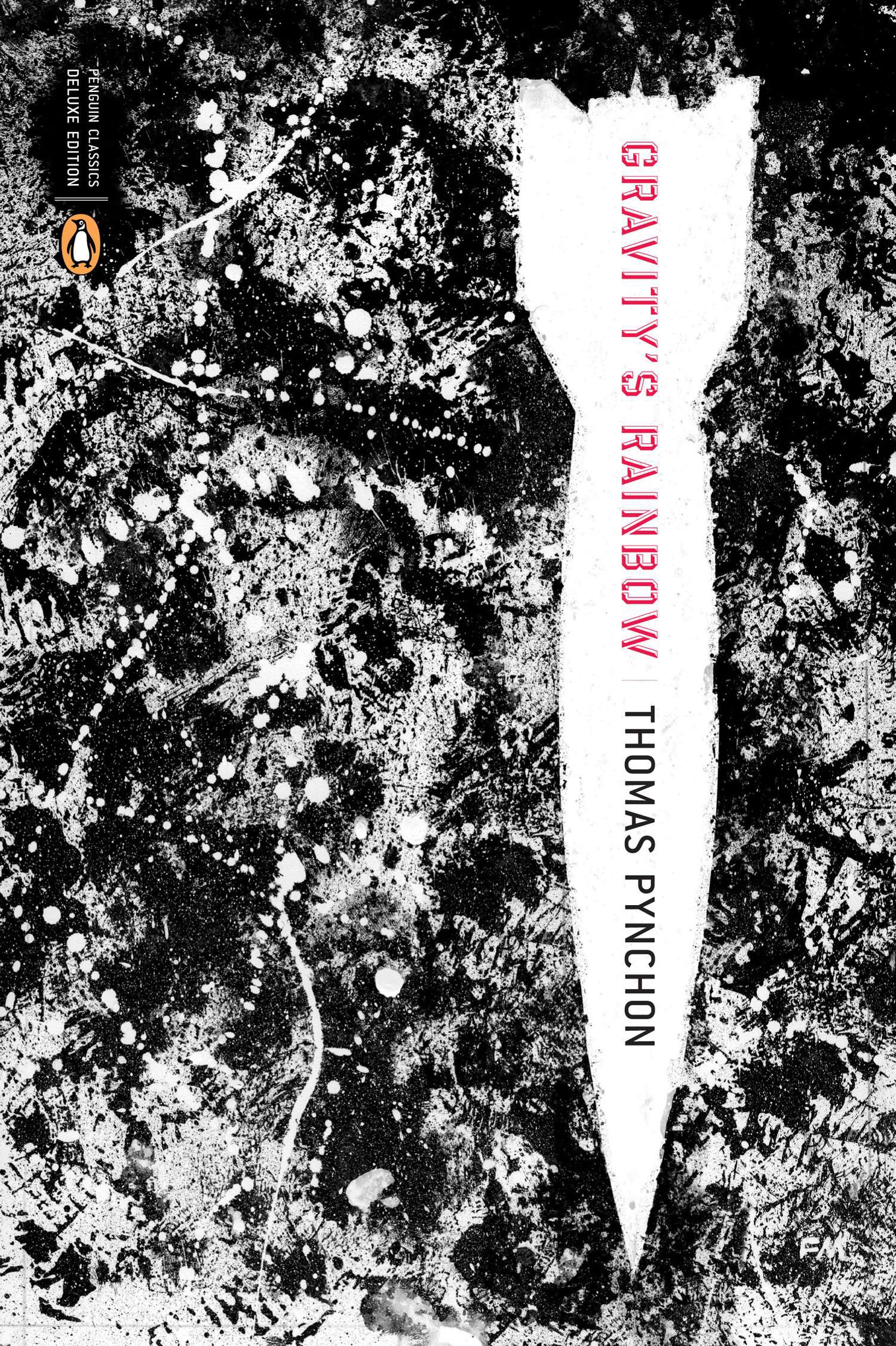
About the book
BOOK SUMMARY
Tyrone Slothrop navigates war-torn Europe as he investigates his mysterious connection to the V-2 rocket, revealing a world controlled by technology, corporations, paranoia, and hidden systems of power.
Published 1973
Literary Fiction
784 pages
Brilliant, grotesque, and maybe messing with me
July 9, 2026
I have no idea how to review a book like Gravity’s Rainbow. I will admit that it is undeniably brilliant. Pynchon is clearly some kind of genius for dreaming up a narrative so sprawling and bizarre, yet so densely packed with symbolic meaning. The book is full of contradictions. It is intensely grounded in the history and technology of World War II, while also being completely surreal and outlandish. Its language can be sophisticated and elegant one moment, then casual, vulgar, or cartoonish the next. It examines complex scientific and technical ideas while also obsessing over sex, drugs, bodily functions, and lowbrow pop culture. It takes on some enormous themes, which I won’t attempt to summarize here, because entire textbooks have already been written about them.
I love a book that begs to be studied, and Gravity’s Rainbow is nothing if not that. It is incredibly complex and disorienting. The whole thing feels like a dream or a bad trip. The character list seems endless, and the novel jumps between storylines without warning, leaving you unsure where the larger plot is heading, or whether there even is one. This is not a book for the casual reader. You have to be prepared for extended confusion, even with dedicated attention. I kept up by reading online summaries before each section, which was incredibly helpful.
And while all of that complexity would normally be appealing to me, there is something about this book and the commentary it has inspired that makes me feel like I’m being somewhat tricked. Its enormous reputation seems to encourage a certain kind of reader to discover profound meaning in every bizarre detail, or to defend its darkest material as artistically necessary rather than included partly for shock value. I suspect there are passages Pynchon wrote simply because he found them funny, and that he would be delighted by the solemn importance readers have assigned to them.
Because the level of grotesque perversity throughout the novel truly cannot be overstated. I’m talking excruciatingly detailed coprophilia and sexually disturbing scenes involving children. It is difficult to stomach, and I’m not convinced these elements add more than they detract. That said, I’m still excited to give it another chance someday and see what else I get out of it with a better understanding of what I’m in for.
 kelsi’s reading diary