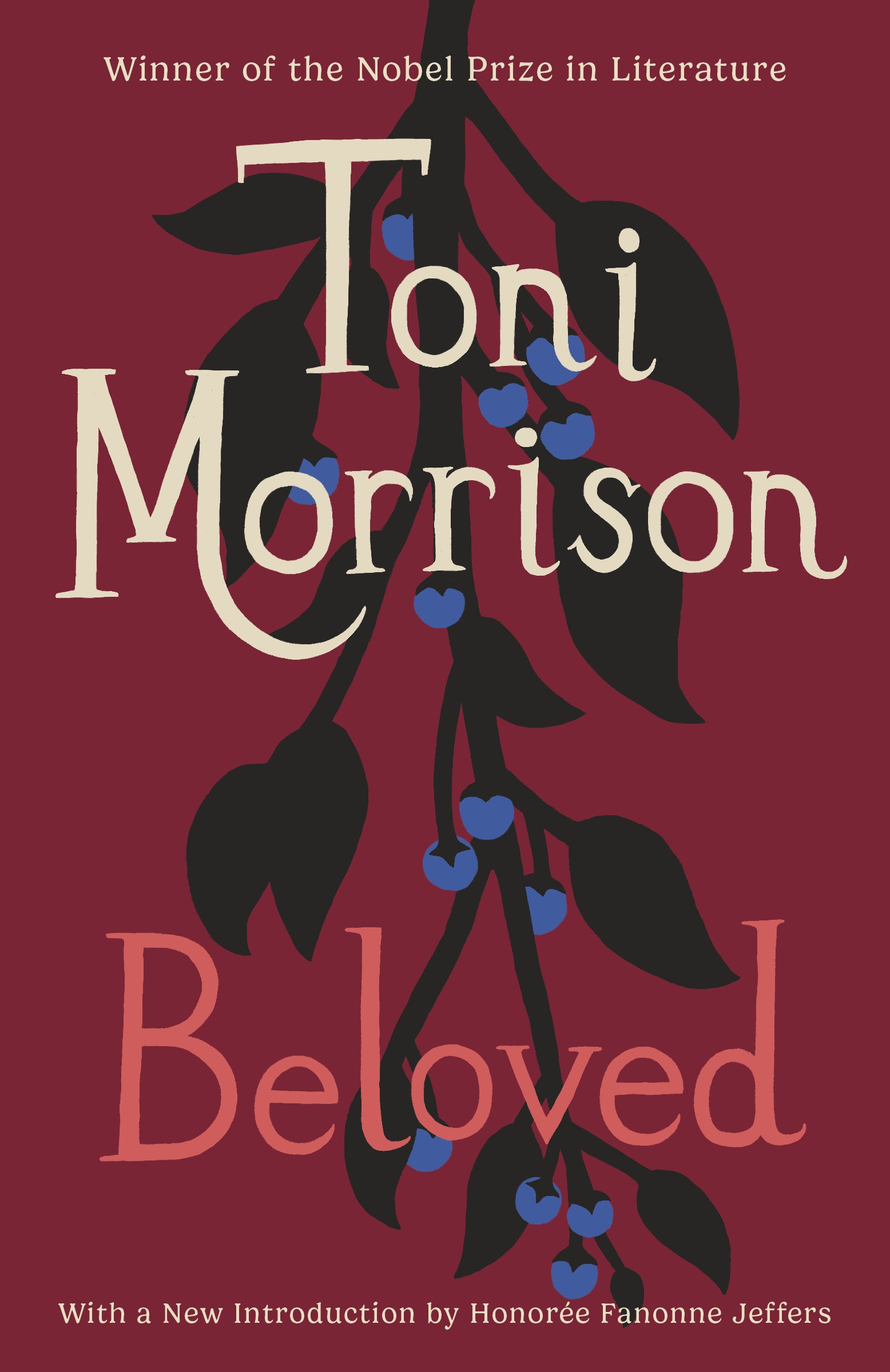
About the book
BOOK SUMMARY
In post-Civil War Ohio, a former slave’s home is haunted by her murdered baby’s ghost. As past meets present through a mysterious young woman, dark secrets of slavery unfold.
Published 1987
Literary Fiction
321 pages
A tough read with amazing storytelling
July 14, 2026
Beloved is a masterclass in how the way a story is told can be just as important as the story itself. Morrison takes an already powerful story about the persistent trauma of slavery and makes it even more immersive by forcing the reader to experience that trauma in the same way the characters do. Just as Sethe cannot keep the past from intruding on the present, the reader is repeatedly ambushed by disconnected memories interrupting the primary narrative. The recurring message that the past is never completely separate from the present is inescapable.
There are several other messages Beloved conveys especially well. First is the completely dehumanizing nature of slavery. Aside from the more obvious instances of abuse and brutality, one passage that stuck with me was Baby Suggs’ conversation with Mr. Garner about her name. After decades together, she never knew why he called her Jenny, and he was surprised to learn that she had another name, and had even been married. In this simple exchange, Morrison effectively shows how slavery robbed its victims of even the most basic ownership of their identities.
More importantly, though, Morrison explores the power of mother-child relationships in a unforgettable way. Sethe is assaulted, brutalized, and mercilessly whipped, and after all that, the one violation she fixates the most on is “they took my milk.” Because in taking her milk, they stole something from her babies, and there is nothing Sethe loves more than her babies.
The strength of Sethe’s love for her children is established so clearly, that her later actions toward Beloved become horrifyingly understandable. Sethe makes a deliberate choice based on the belief that death is a better fate for her child than slavery. That does not make the act any less terrible, but it does show that the larger crime is the existence of a world in which a mother can reasonably believe that killing her child is the only way to save her. And in killing her child, it’s like she also killed a part of herself, and she never could feel whole without Beloved.
The whole book is filled with more memorable scenes and symbolic prose. It can be difficult not only because of the devastating subject matter, but also because of its intentionally messy nonlinear structure. But it is well worth the effort if your mental health is prepared for it.
 kelsi’s reading diary