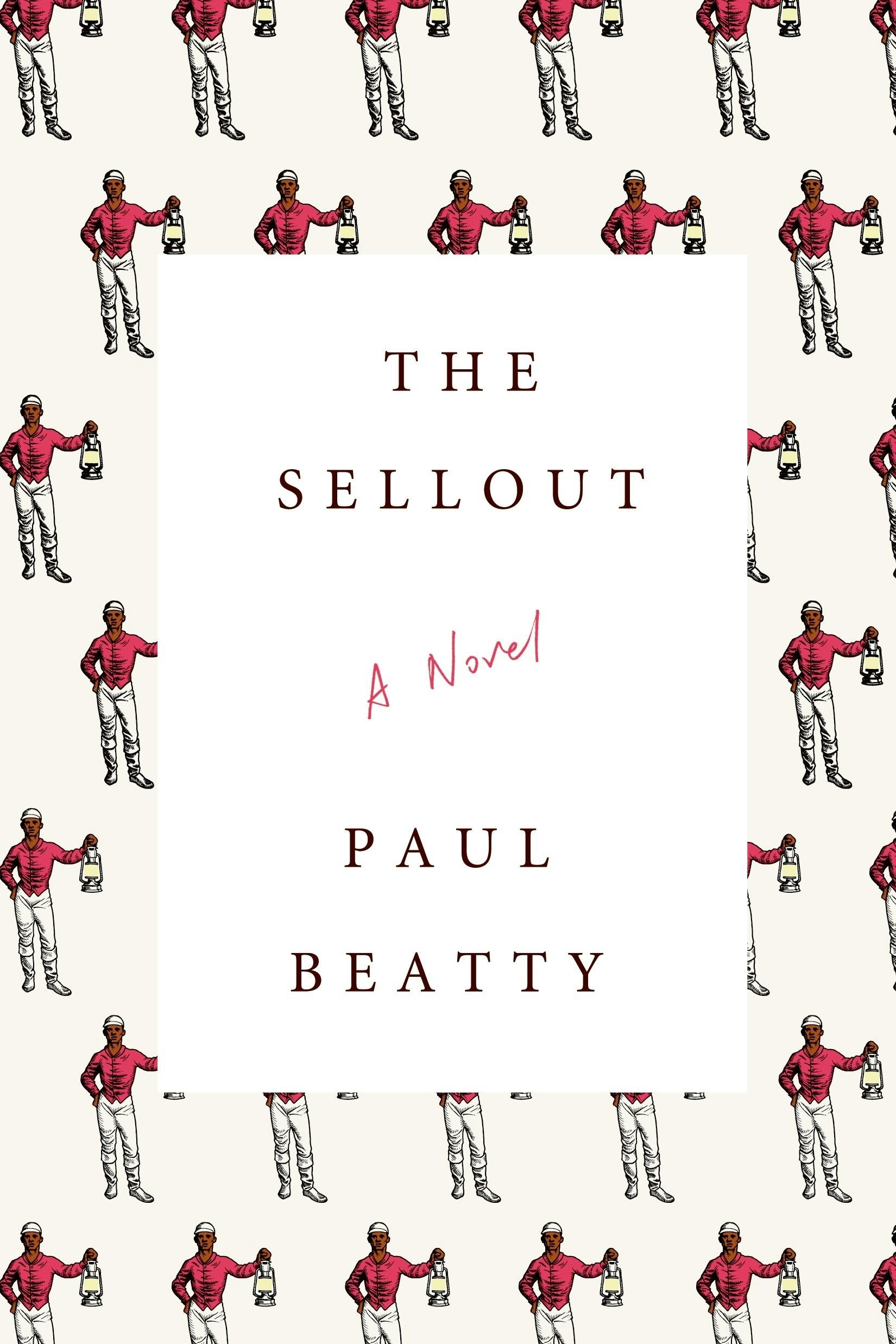
About the book
BOOK SUMMARY
A Black man in a neglected California town launches an outrageous campaign to restore segregation, exposing the absurdities and contradictions of race in America.
Published 2015
Literary Fiction/Satire
304 pages
A notebook of angry essays
August 16, 2026
I had mixed feelings about this one. I thought it contained a lot of excellent social commentary, but I’m not sure it worked quite as well for me as an actual novel. At times, it felt like Beatty had a notebook full of essays chronicling his rage about race and American society and found a way to string them together into an almost cohesive story. Don’t get me wrong, they’re very good essays. But there are so many tangents and digressions that I sometimes lost track of what the actual story was supposed to be about.
Beatty has absolutely no concern for political correctness when it comes to exposing the nuances and absurdities of race in America. He takes shots at pretty much every part of the political spectrum, and what emerges is, I think, an intentionally contradictory message. He attacks racism directly while also mocking many of the progressive responses to it. He makes very blunt observations about what it means to be Black, white, or Mexican, with little concern for hurting anyone’s feelings along the way. He even dares to suggest that segregation might, in certain ways, have its merits; not as an endorsement of segregation, but as a way of exposing just how complicated racial politics can be. And he has plenty to say about the silliness of treating racial inequality as a problem that can be solved through the right language, good intentions, or public posturing.
All of this is delivered through relentless satire, and the book really is funny. But the humor also makes Beatty’s ultimate intentions difficult to pin down. Almost everything is exaggerated or played for a joke, so it can be hard to tell where the satire ends and his actual beliefs begin. The one thing I know for sure is that Beatty was feeling angry about the state of American society when he was writing this, because the rage comes through on nearly every page.
 kelsi’s reading diary