About the book
BOOK SUMMARY
A woman condemned by her Puritan community for adultery endures public shame while the hidden guilt of her child’s father slowly destroys him.
Published 1850
Historical Fiction
288 pages
Hester Prynne is a bad bitch
August 21, 2026
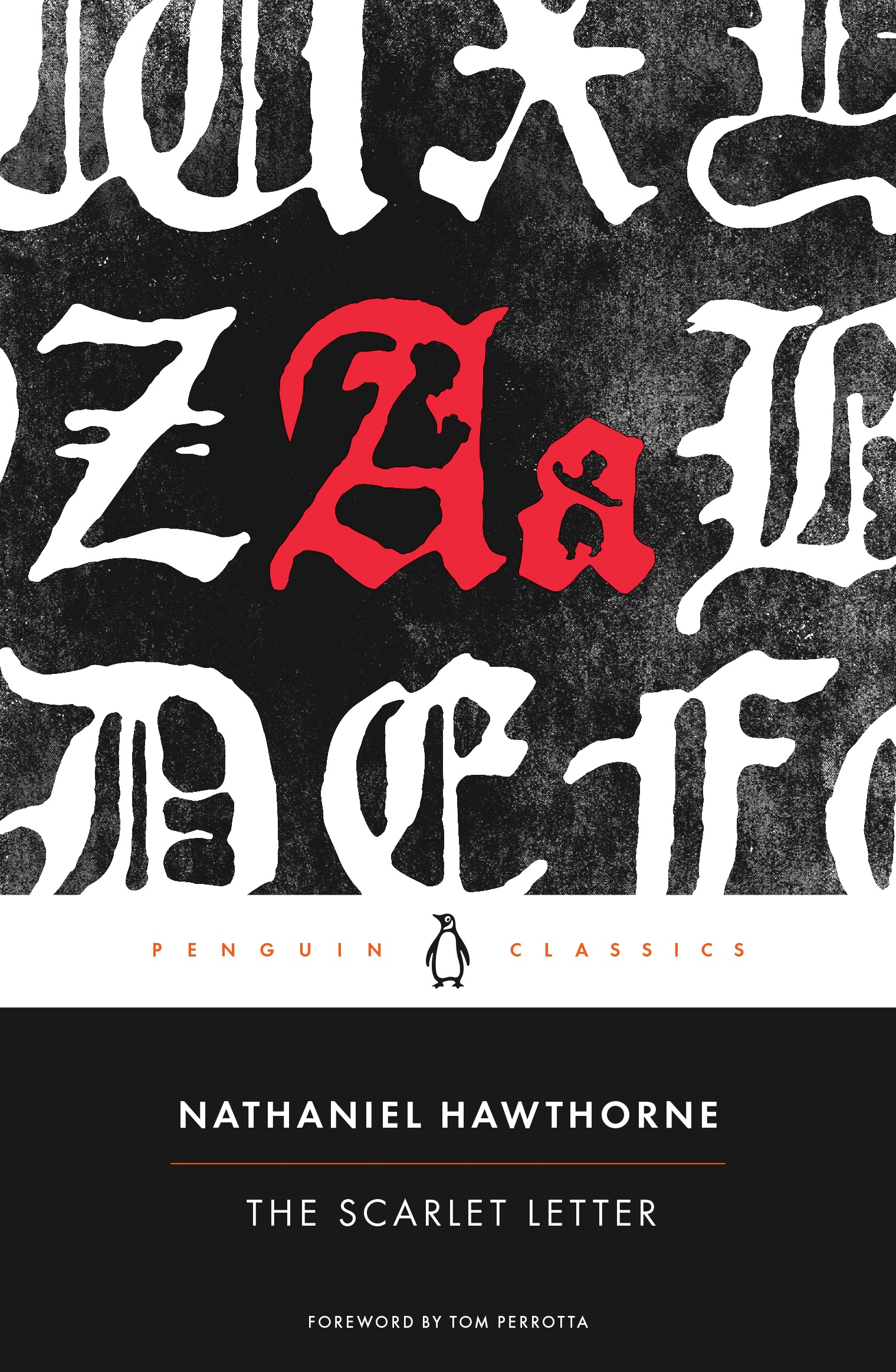
I’m not saying The Scarlet Letter is a bad book, but I do think it has benefited a whole lot from timing and teachability. It was one of the first widely popular books published in the United States, and it is basically tailor-made for high-school English classes. Themes? Symbols? Allusions? Historical context? Moral ambiguity? Perfect for building an entire curriculum around. If it weren’t for those two factors, I’m not completely convinced it would have endured quite as prominently as it has.
That said, I do appreciate the story. Hester Prynne is honestly kind of a bad bitch in her stubbornness, independence, and her determination to keep living her best life without resentment, even if I never really understood her continued loyalty to her baby-daddy, who does very little to make us like him. Pearl is also a great character. She is portrayed as this creepy little creature while also being the person most willing to point out what everyone else is refusing to say.
The other thing I found cool about reading this book now is the sort of historical picture within a picture it gives us. We’re getting a glimpse of life in seventeenth-century Puritan New England, but filtered through the perspective of a nineteenth-century American looking back on it. And one who we know had some strong feelings about the society he is depicting.
There is, of course, plenty more to say about the specific symbolism and the religious and cultural commentary throughout the book, but for that analysis, you can probably just ask for The Scarlet Letter essay from any high-schooler in America.
 kelsi’s reading diary