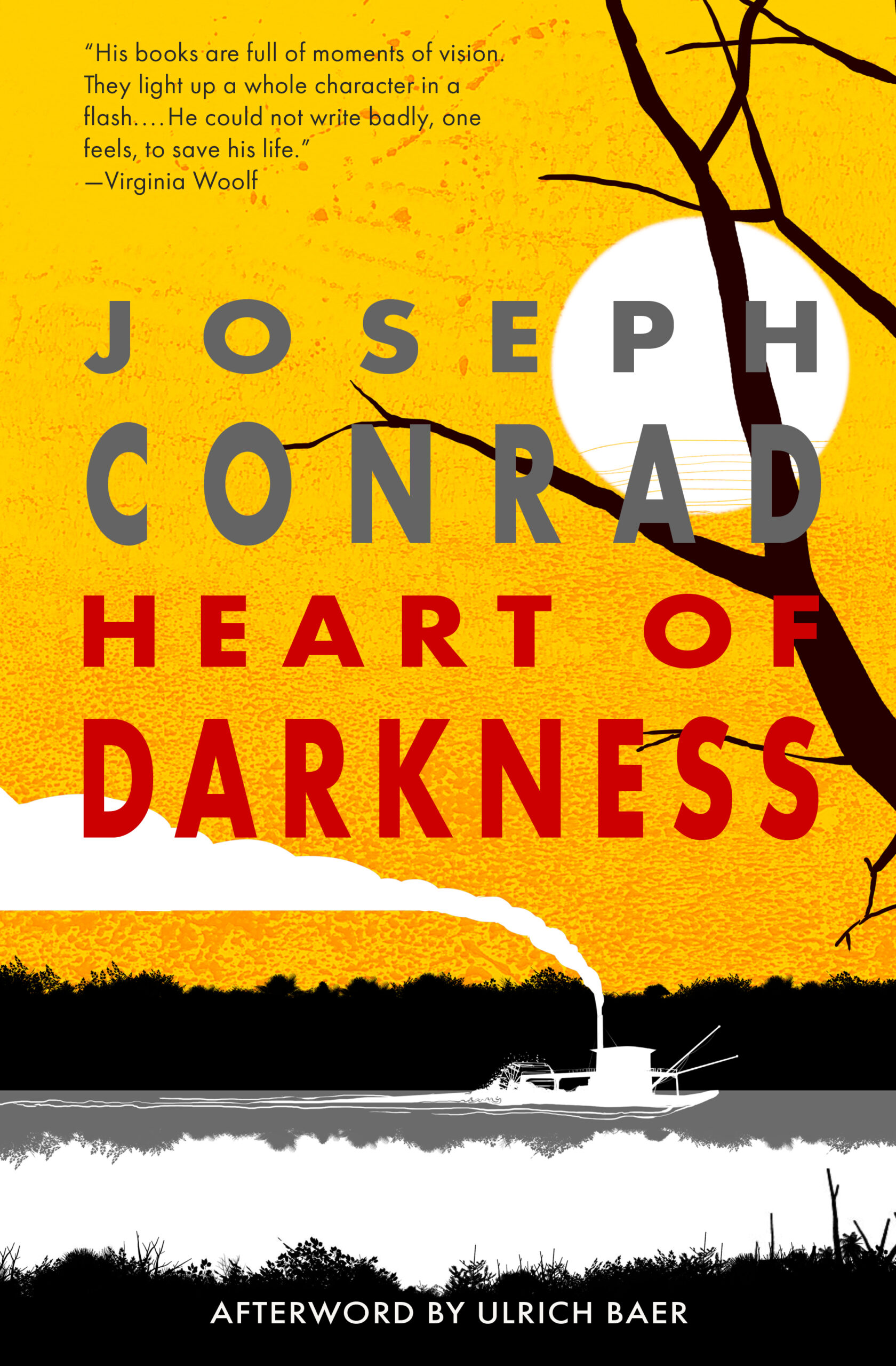
About the book
BOOK SUMMARY
A sailor recounts his journey deep into colonial Africa, where his search for a mysterious ivory trader exposes the brutality of imperialism and the darkness lurking within human nature.
Published 1899
Novella
126 pages
Creepy as hell
September 5, 2026
It would not be accurate to say I enjoyed reading this. The subject matter is brutal and nightmarish, but it was a great book nonetheless.
I liked the way Conrad keeps Kurtz absent for most of the story, allowing Marlow to build him up into this almost mythical figure before we ever actually meet him. So by the time we finally encounter Kurtz, there is something especially soul-sucking about seeing what he has become. The Russian traveler’s unsettling devotion to Kurtz adds to the surreal buildup before the encounter. The whole scenario is creepy as hell.
By that point, the book has dismantled the idea that the Europeans are the civilized ones, and we’ve watched greed, power, and isolation strip away that veneer of civilization and expose something darker underneath, most clearly embodied by Kurtz. But we’re still not done, because then Marlow visits Kurtz’s former fiancée a year later. It’s a haunting way to end the book, because we hear her talk about the man she still believed Kurtz to be after we’ve seen what he actually became.
According to my Wikipedia research, it seems that Heart of Darkness was long read primarily as a critique of European imperialism, while the criticism in more recent decades has focused on the racist aspects of the book. In the book, the African characters are frequently described in dehumanizing or animalistic terms, and we never really get to know any of them as individuals. Yes, Marlow is horrified by what has been done to the native population, but he still very clearly sees them as something “other.”
All that said, I don’t think that negates the book’s value at all. The Europeans come across as the more morally degraded people in the story by far. It’s entirely possible for a novel to expose the horrors of imperialism while still reflecting the racist assumptions of its time.
 kelsi’s reading diary