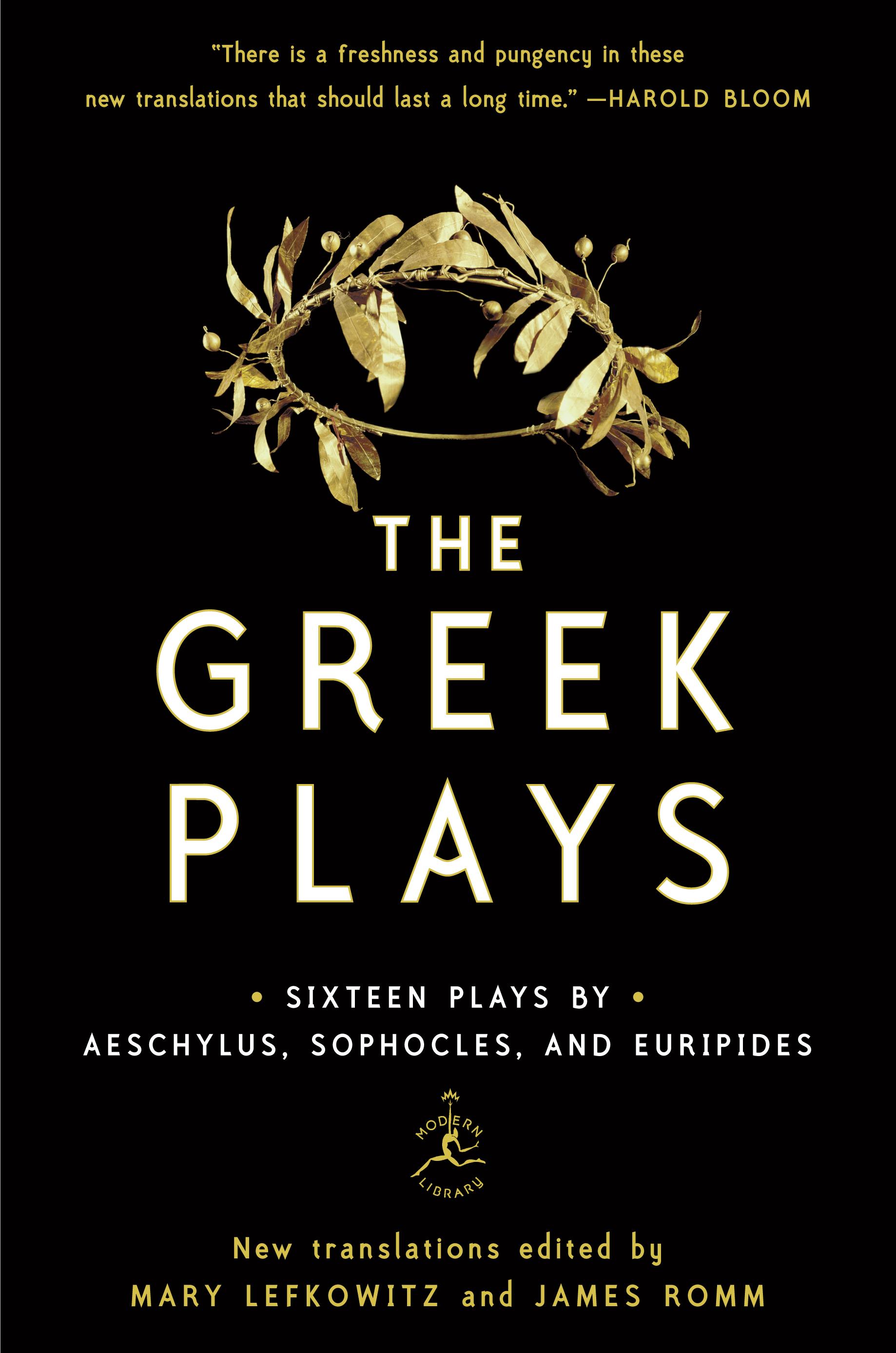
About the book
BOOK SUMMARY
Aeschylus: Oresteia: Agamemnon; Oresteia: Libation Bearers; Oresteia: Eumenides. Sophocles: Oedipus the King; Antigone. Euripides: Medea.
Published 5th Century BCE/2016
Greek Mythology
864 pages
Oedipus was an absolute banger
March 17, 2026
I read six of the plays from this collection: the Orestia trilogy (Agamemnon, The Libation Bearers, The Eumenides), Oedipus the King, Antigone, and Medea. I had never read any of them before,
Going in, I was most familiar with the plot of the Orestia trilogy, because of my recent read of Clytemnestra by Costanza Casati, but these three were the hardest for me to get through. They seemed to rely the most heavily on long passages from the Chorus, and frankly, I must be too unsophisticated and modern-minded to appreciate the Chorus sections. I appreciated the grandeur of the story arc, the moral quandaries, and the fascinating depiction of an early jury system, but I can’t say I actually enjoyed the reading experience.
Meanwhile, Oedipus the King was an absolute banger. Big recommend. The facts just kept stacking up against Oedipus, in an almost comical fashion, and he just refused to take a hint. Even after literally everyone was telling him – hey, bud, maybe just let it go, maybe some things are better left unsaid – he just kept at it, to his own tragic demise. Antigone was good, too, just not as much of a wild ride.
Medea was my second favorite after Oedipus the King. What an epic depiction of feminine rage. Yeah, it’s pretty uncool how she killed her kids, and she was a little cray even from the beginning, but I really felt her fury at the injustice of her situation. I was also extremely impressed with how modern and on-point the comments about womanhood felt – was Euripides secretly a woman? I actually enjoyed the Chorus sections in Medea as well. They felt a lot more grounded in the story to me than the Chorus sections in some of the other plays. I’ll share a couple of my favorite Medea sections in the next slides.
Medea’s Monologue on Womanhood
Of all creatures that live and understand,
we women suffer most. In the first place
we must, for a vast sum, buy a husband;
what’s worse, with him our bodies get a master.
and here’s what’s most at stake: Did we get
a man who’s good or bad? For women have
no seemly escape; we can’t deny our husbands.
We’ve come to a household with new habits, new rule,
and must divine how best to manage our bedmates
using skills we never learned at home.
If we do it right, our husband lives with us
and doesn’t fight the yoke. Then life
is enviable. If we don’t it’s better to die.
A man, when he is vexed by those at home,
goes out to ease the disquiet in his heart.
But we have only one person to look to.
And they say of us that we’re never at risk,
Sheltered at home while they fight with spears.
How wrong they are: I’d rather three times over
stand behind a shield than give birth once.
The Chorus’s Monologue on Parenthood
And I claim that anyone — man
or woman — who has no experience,
has never had a child, exceeds
every parent in happiness.
The childless are spared many troubles
by their inexperience;
they never find out if children
are sweetness or distress.
But those whose houses blossom
sweetly with children
are all the time worn down with care.
First they worry how to bring them up well
and at their death leave behind enough to live.
On top of this it isn’t clear
whether they labor for children
who are worthless or good.
And now I’ll name the last horror,
worst of all for any mortal woman or man:
let’s say you’ve found a good enough
livelihood and your child has come
to adulthood healthy and good.
Then, if this should be its destiny,
Death goes off to Hades
with your child’s body in his arms.
What profit then for mortals
that, for the sake of children,
they suffer this most dreadful pain
the gods pile on to all their other troubles?
 kelsi’s reading diary