About the book
BOOK SUMMARY
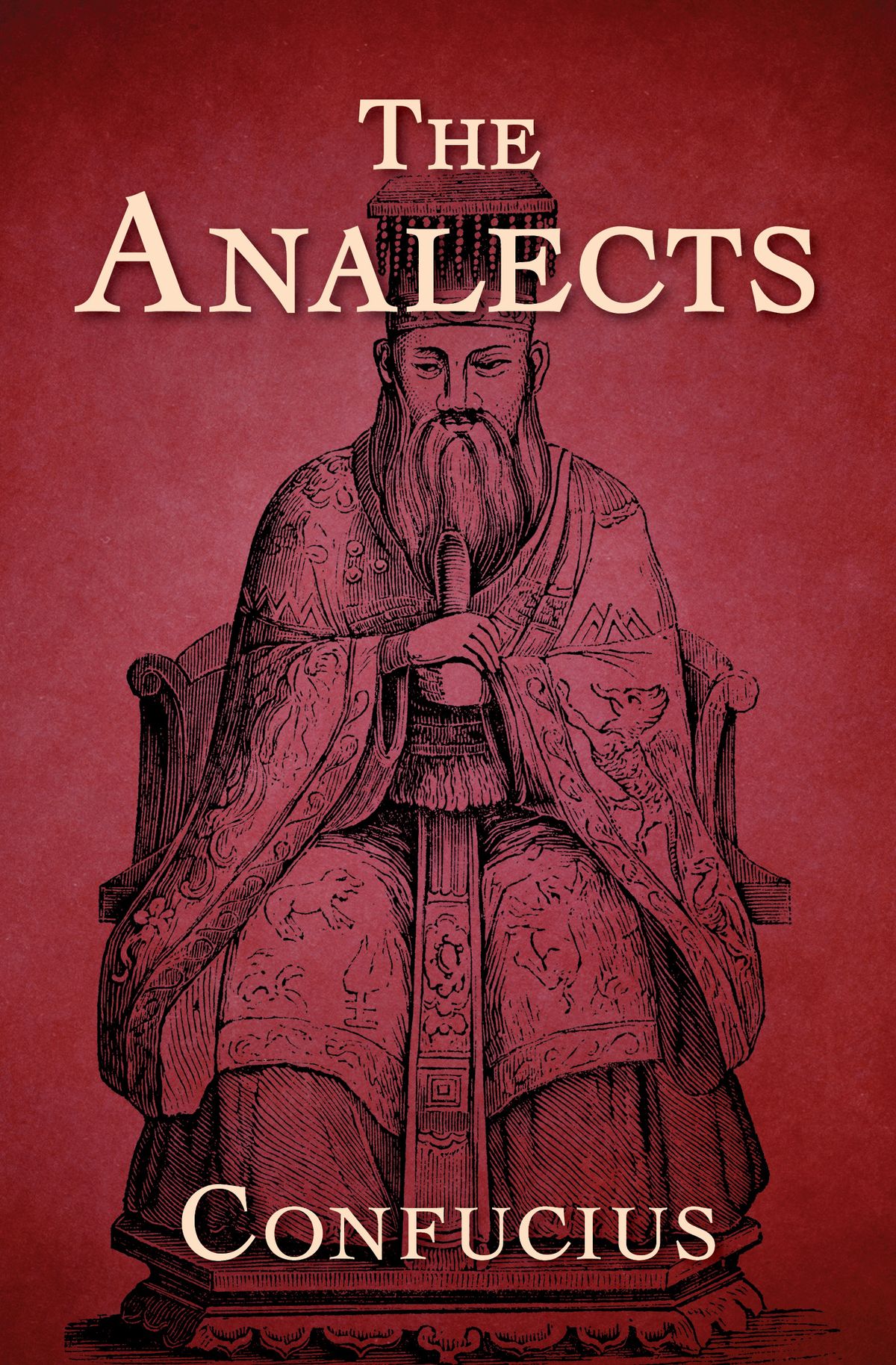
A collection of sayings, ideas, and conversations of the Chinese philosopher Confucius, compiled by his disciples after his death, focusing on ethics, morality, and social harmony.
Published 400 BCE
Philosophy
160 pages
I’m more of a Socrates person
May 23, 2026
As I read The Analects, I found myself doing a lot of comparing and contrasting with Greek philosophy, especially Socrates. Both Confucius and Socrates are concerned with how people should live and how society can be made better, but they go about it in very different ways.
Both want to improve the overall social order, but Confucius emphasizes respecting, preserving, and deepening tradition, while Socrates emphasizes questioning what people think they already know. Confucius seems to think society improves when people better fulfill their roles: ruler, subject, parent, child, friend. Socrates seems more interested in testing whether people actually understand the values they claim to live by.
Socrates uses dialogue to push toward precise definitions of commonly accepted ideas. If you talk to Socrates about justice, he wants to know exactly what you mean by justice. Meanwhile, Confucius is much more vague. He talks about the Way, ritual, and virtue, but he gives more of a “you’ll know it when you see it” kind of vibe rather than a clear definition of any of those things.
Also, Confucius places a massive emphasis on respecting elders and hierarchical authority. Basically everything I learned from watching Mulan as a child: honor your family, respect your parents, know your place, and bring dignity to the people above you. Socrates would probably agree with some of that as a general rule, but I think he would be much more open to withholding respect or obedience if parents, leaders, or traditions proved themselves unworthy of it.
Socrates’ approach resonates much more naturally with me, and it’s interesting to consider how much of that may just be because I’m a product of Western ideals and I tend to operate under the assumption that truth and authority should be questioned and proven to be correct or worthy.
 kelsi’s reading diary