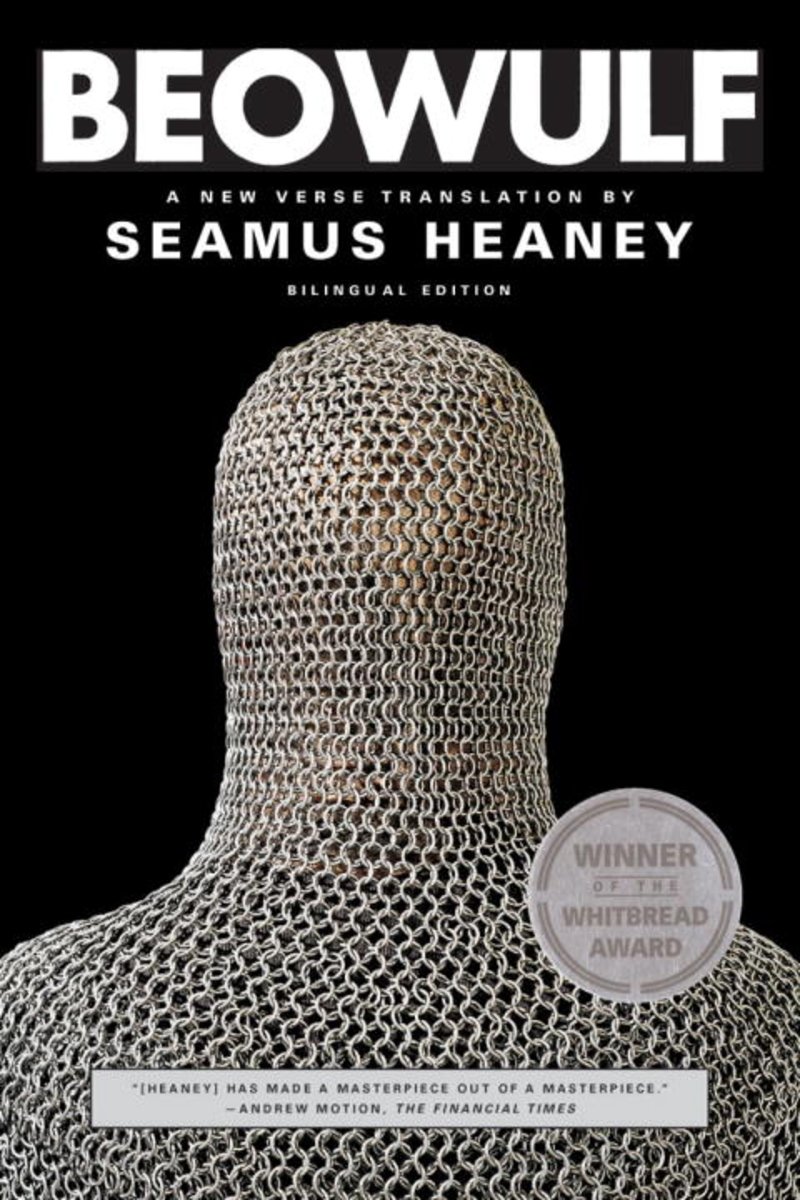
About the book
BOOK SUMMARY
A poem about a Scandinavian hero who defends the Danes from a monster, then later from the monster’s mother, before engaging in a battle with a dragon and passing away in old age.
Published 700–1000 CE
Epic Poetry
256 pages
Just a solid, masculine tale
June 21, 2026
Reading Beowulf felt like a breath of fresh air after finishing The Tale of Genji. It’s incredible that these two cultures existed in broadly the same time period. While Genji was out writing poems and agonizing over his relationships with women, Beowulf was slaying monsters and getting dirty.
Beowulf is quick and to the point, after I got past the initial shock of feeling like the story starts somewhere mid-thought.
I thought it was interesting that Beowulf actively seeks the battle with Grendel. Grendel is attacking someone else’s land, so it technically wasn’t really Beowulf’s problem. Beowulf just came out and was like, hey, I’ll take care of it for you, and I’m going to do it with my bare hands, by the way.
I really liked the eerie foreshadowing of the coming of Grendel’s mother while they are celebrating the defeat of Grendel. I thought Seamus Heaney’s translation was an enjoyable read.
 kelsi’s reading diary