About the book
BOOK SUMMARY
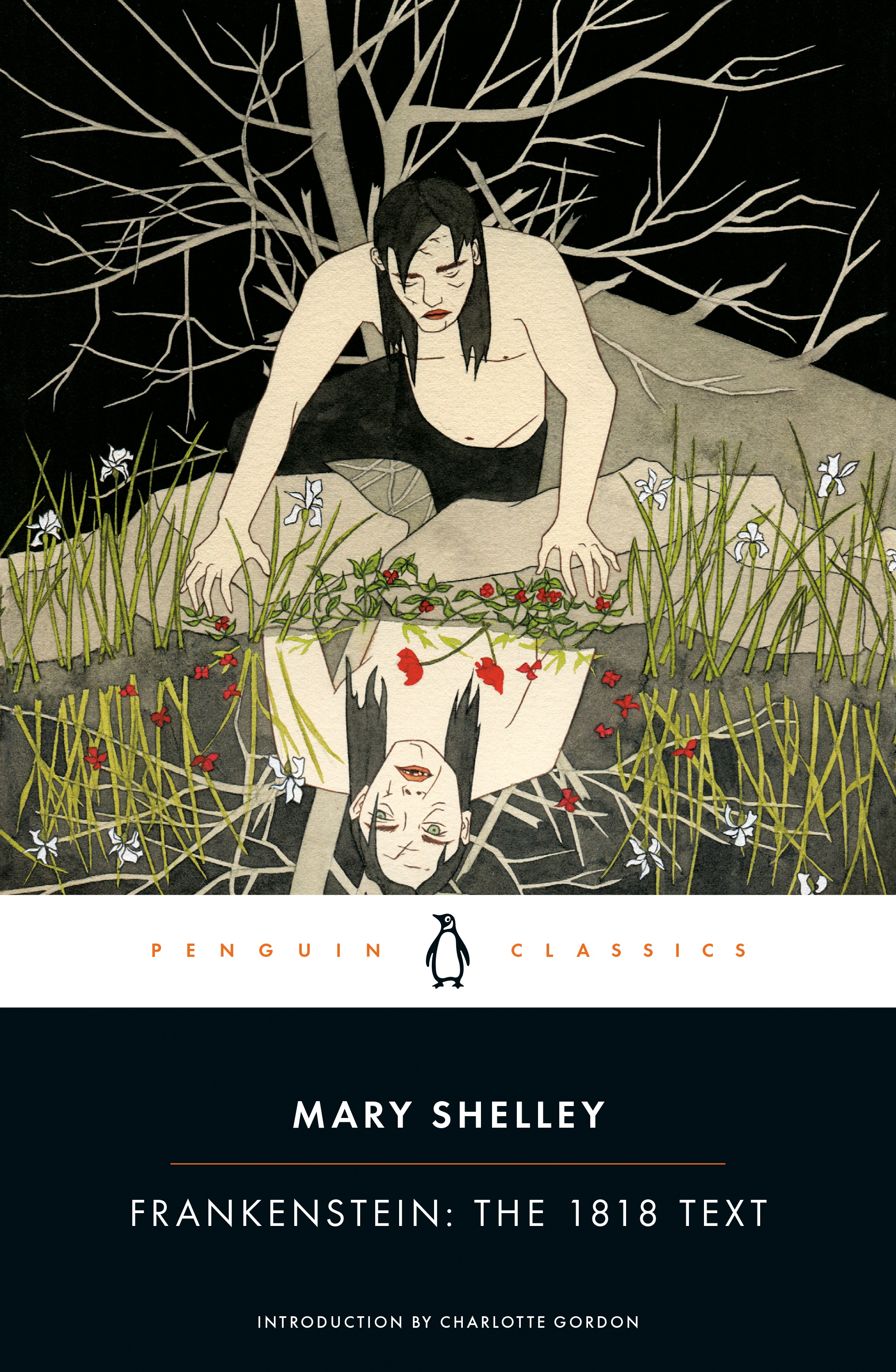
Victor Frankenstein creates a living being from dead matter, only to reject it and unleash a tragic cycle of loneliness, revenge, and destruction that ultimately ruins both creator and creation.
Published 1818
Science Fiction
352 pages
Victor never gets the point
August 13, 2026
I read Frankenstein in school as a teenager, but I didn’t remember much about it. One thing that struck me reading it now is how layered the narrative is. At the innermost level of the novel’s nesting-doll structure, we’re reading about the De Lacey family, as told by Frankenstein’s creation, whose account is then retold by Victor and finally written down by Robert Walton in a letter to his sister. That’s a lot of embedded storytelling and filtered perspectives, but it becomes a brilliant way to highlight the parallels between the characters and emphasize the staggering lack of empathy from both Victor and Robert.
The book opens with Robert writing to his sister about his loneliness in the Arctic, immediately establishing a character experiencing a heartache very similar to that of Frankenstein’s creation. And yet, Robert seems incapable of recognizing the similarity or showing much understanding of the creation’s predicament.
Throughout Victor’s story, meanwhile, we hear repeatedly about his loving family relationships. Toward the end, his desire to marry and spend his life with Elizabeth is described in direct parallel with the creation’s request that Victor give him a companion. Somehow, Victor is equally incapable of recognizing the connection. Honestly, Victor’s complete inability to understand his actual mistakes is insufferable.
And then, to make things even more ironic, the nature of Frankenstein’s creation was deliberately misrepresented in the earliest adaptations, resulting in a pop-culture “Frankenstein” who is almost as misunderstood by the public as the creature is within the novel.
I wanted to say that the creature’s story reads like the diary of an incel who turns to violence after being persistently rejected and misunderstood by society. But I think the overall message is much more universal than that: We all have a basic need to be seen and loved, the way others treat us can profoundly impact who we become, and we have a responsibility to recognize the impact we have on one another. Oh, and a whole bunch of other stuff about obsession and playing God. Brilliantly done. No notes.
 kelsi’s reading diary